



A Guide to Diamond Cuts

Understanding the artistry behind every facet.
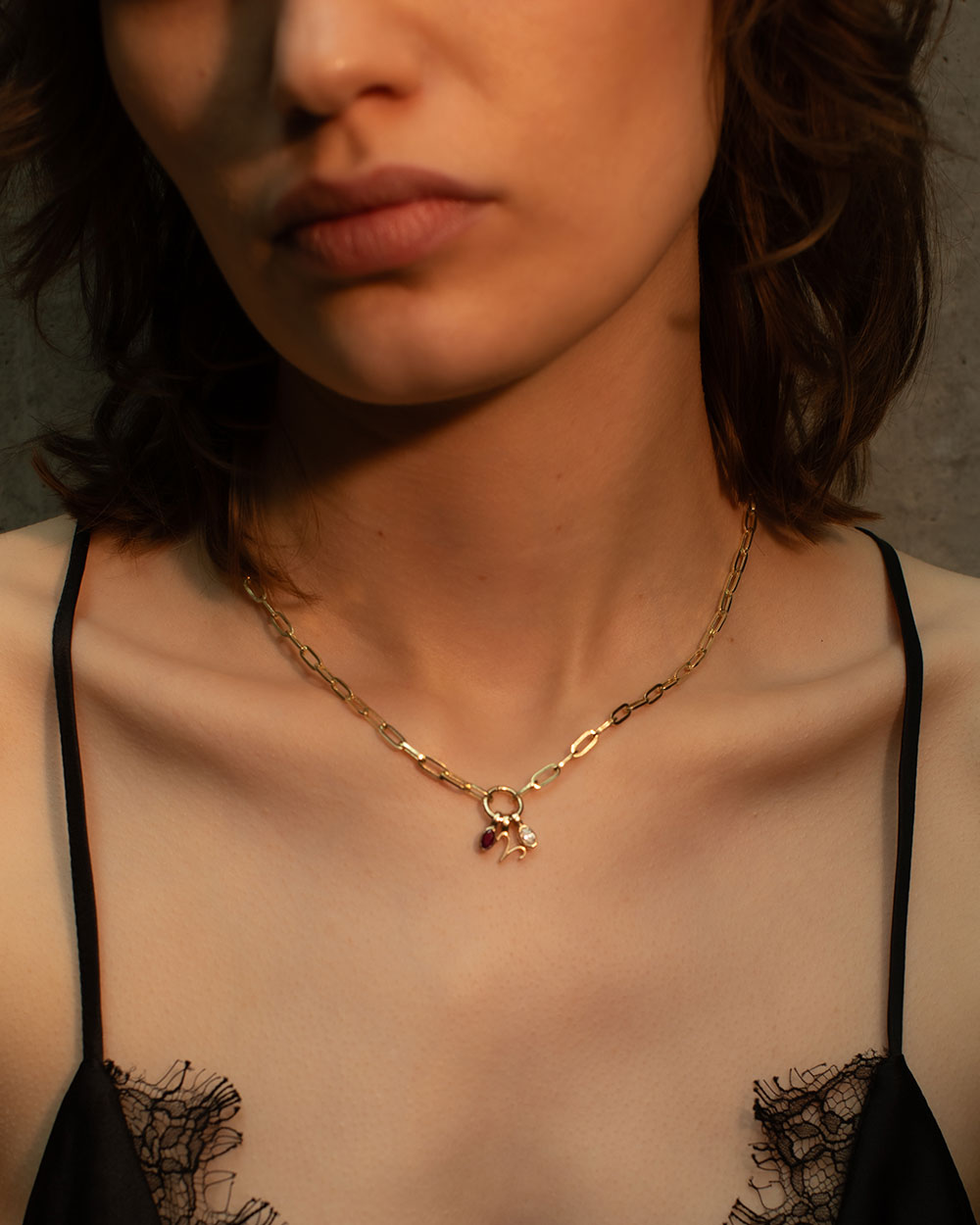
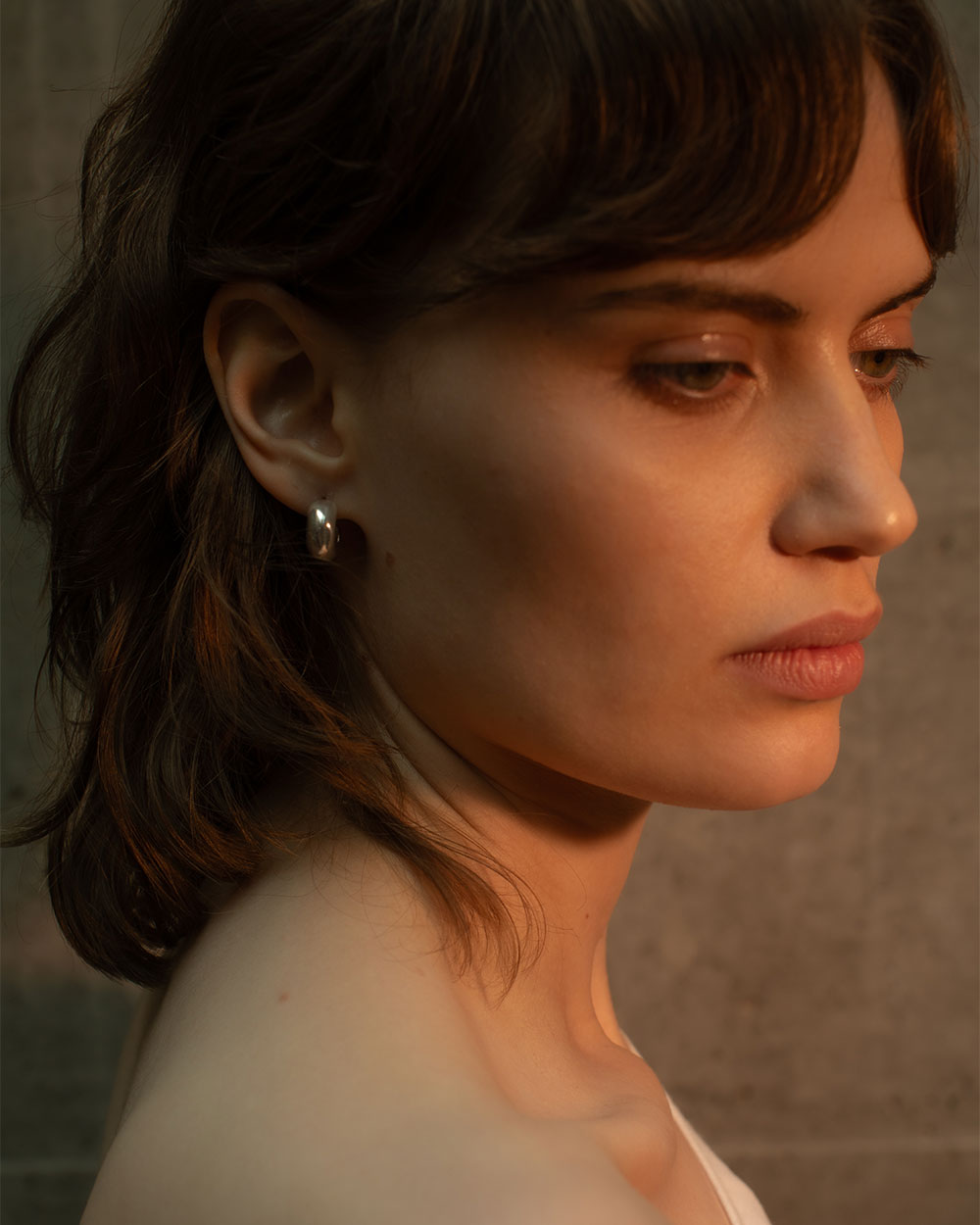
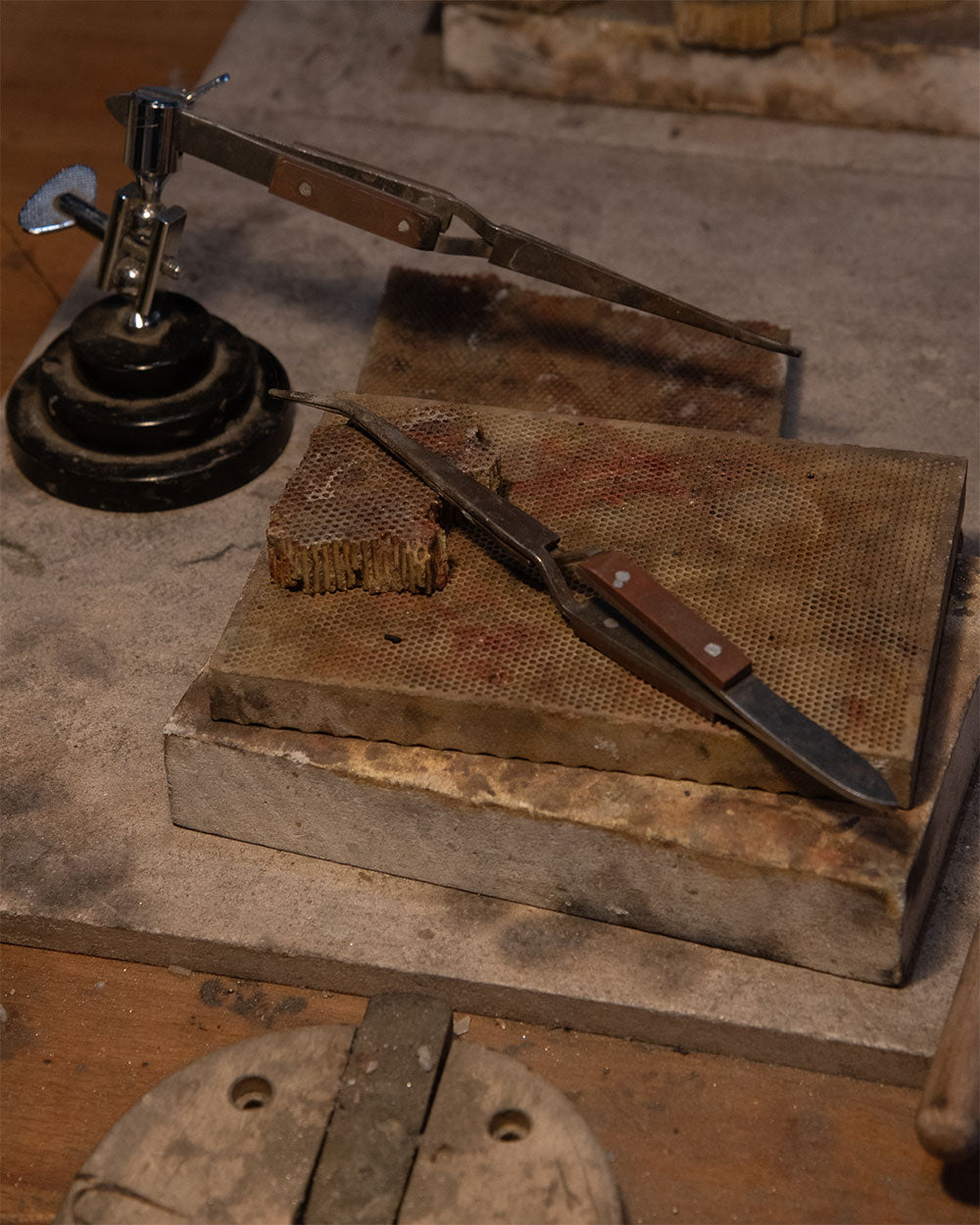
At Maya Magal, every piece begins at the bench. Handcrafted in small runs, our jewellery is designed to be as individual as the people who wear it. This guide explores the most popular diamond cuts and shapes - their origins, meanings, and how each one tells a story of light.
What does "cut" really mean?
While shape refers to a diamonds outline - round, oval, or pear - its cut defines how precisely the stone has been proportioned, polished, and faceted. A well cut diamond reflects light beautifully, giving it its unmistakable brilliance.
Key terms
-
Brilliance — white light reflected to the eye.
-
Fire — dispersion of coloured light within the stone.
-
Facet — the flat, polished surfaces that control how light travels.
-
Clarity — inclusions or blemishes within the diamond; the purest stones are “IF” (Internally Flawless).
-
Carat — the weight of a stone (1 carat = 200 mg).
The Most Popular Diamond Cuts & Shapes
Round Cut
Timeless, radiant, and the most sought-after of all diamond shapes. With 58 facets, the round brilliant cut maximises sparkle and symmetry. Originating in 17th-century France, it remains the definitive symbol of love and craftsmanship.
Best for: Those who want the most brilliant diamond cut for engagement rings.

Princess Cut
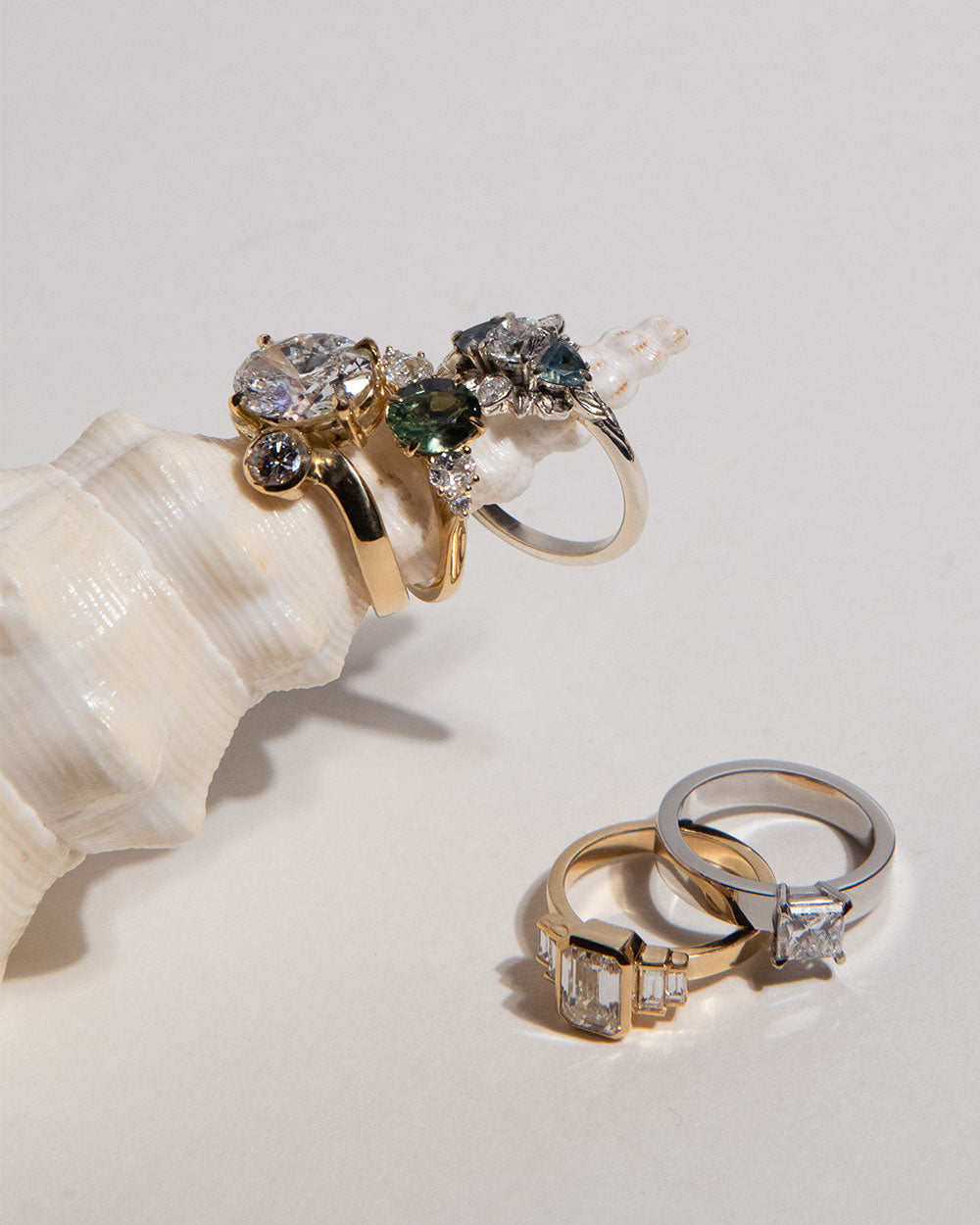
A square silhouette with the sparkle of a round. Created in the 1960s, the princess cut offers crisp geometry and feminine strength. With 58 facets, it delivers light and depth at a more accessible price than rounds.
Best for: Modern minimalists and lovers of clean lines.
Cushion Cut
Rounded corners and a soft, pillow-like shape. The cushion cut diamond blends antique charm with contemporary light play. Often slightly rectangular, it offers excellent fire - the coloured flashes that give diamonds their warmth.

Heart Cut
A true emblem of romance, the heart-shaped diamond was exchanged among 15th-century royals as a sign of friendship. Best appreciated in stones over 0.5 carats, where the cleft and curves are clearly defined.
Best for: Sentimental statements and custom designs.
Emerald Cut
Architectural. Understated. Enduring. With its linear “step” facets and cropped corners, the emerald cut diamond produces a graceful hall-of-mirrors effect rather than intense sparkle. It can appear larger than its carat weight - a refined choice for modern brides.

Oval Cut
Elegant and elongating, the oval diamond combines the brilliance of a round with a more distinctive outline. Its proportions flatter the finger - one reason people often search “which diamond shape makes the finger look longer?”.

Pear Cut
Also known as the teardrop diamond, this hybrid of round and marquise forms dates back to the 1400s. It symbolises individuality and emotion, its single point and curved base catching light from every angle. Some pear cuts display a subtle “bow-tie effect” - a small shadow across the centre - which adds depth and character when balanced correctly.

Marquise Cut
Commissioned by King Louis XV of France to mirror his lover’s smile, the marquise diamond remains a symbol of confidence and allure. Its elongated body and pointed tips maximise visible size - one of the best diamond cuts for small budgets seeking impact.
Radiant Cut
Invented in 1977, the radiant cut merges the rectangular grace of an emerald with the sparkle of a round. With up to 70 facets, it offers extraordinary fire - perfect for coloured or lab-grown diamonds that deserve depth and brilliance.
Asscher Cut
A cut revived from the Art Deco era. Designed by the Asscher Brothers of Holland in 1902, this square, step-cut diamond creates mesmerising concentric reflections - a geometric play of light and shadow. Elizabeth Taylor’s famed 33-carat Asscher remains its most glamorous example.
Maya Magal Diamonds
Every stone we set is ethically sourced and hand-selected by our jewellers.
Crafted in London from 100% recycled solid gold, our diamond jewellery and One of a Kind Rings celebrate both design integrity and conscious making. All offcuts are re-melted and reused - a quiet act of sustainability built into every collection.
If you’re ready to find your cut:

Diamond Cut FAQ
What’s the difference between a diamond’s cut and shape?
Shape describes the outline (round, oval, pear), while cut measures proportion, polish and symmetry — the true source of sparkle.
Which diamond cut sparkles the most?
The round brilliant cut reflects light best due to its ideal facet arrangement.
Are some diamond shapes more affordable than others?
Yes. Step cuts like emerald or Asscher often cost less per carat than round brilliants because less material is lost during cutting.
Are lab-grown diamonds cut differently?
No - they’re cut and graded using the same precision standards as mined stones.
Which diamond shape makes fingers look longer?
Elongated forms like oval, marquise, and pear create a lengthening effect on the hand.
What is the bow-tie effect?
A small shadow sometimes seen across fancy cuts (oval, marquise, pear). When subtle, it adds dimension; when dark, it reduces sparkle.
Which cut suits a smaller budget but high brilliance?
Radiant and oval cuts provide maximum light return per carat - a bright, balanced choice.
How can I tell if a diamond is well cut?
Look for excellent or very good cut grades, precise symmetry, and strong light return from the crown.

Written by Amy
About the Author
Amy is a goldsmith and jewellery designer with eight years of industry experience, specialising in bespoke fine jewellery, design, and goldsmithing. Her expertise spans stone setting, miniature sculpture, hand rendering and jewellery design for production. She is a qualified Goldsmith and Diamond Mounter through The Goldsmiths' Company and a Freeman of the Worshipful Company of Goldsmiths.
At Maya Magal, Amy designs and handcrafts bespoke jewellery in collaboration with clients, creating engagement rings, wedding bands and one-of-a-kind commissions with a focus on craftsmanship, wearability and lasting design.

Leave a comment
This site is protected by hCaptcha and the hCaptcha Privacy Policy and Terms of Service apply.